The Next Era of Interior Design: Trends and Developments to Keep an Eye On


The realm of interior design is continuously evolving, driven by emerging technologies, shifting lifestyles, and a growing awareness of the importance of our environment. Looking people gaze toward the future, a variety of advancements and trends are arising that vow to transform the way we think about and design our homes. From cozy interiors that prioritize comfort to cutting-edge sustainable practices, the future of interior design is rich with opportunities.
One of the particularly fascinating aspects of this evolution is the fusion of functionality and style in compact space design, offering creative solutions for city dwellers. The study of color psychology is also becoming significant, as designers acknowledge how certain hues can evoke particular emotions and establish the mood for a space. With South Florida Interior Designer on natural light, sustainable choices, and the growing trend of biophilic design, homeowners are more and more seeking ways to balance their interiors with the environment. As people delve deeper into these emerging trends, we celebrate the art of changing spaces into reflections of our personal stories and goals.
Optimizing Area plus Cozy Atmosphere
In the world of interior design, maximizing area while guaranteeing a cozy atmosphere is a crucial goal for both designers and property owners. Small areas often pose unique challenges, but with imaginative solutions, they can be changed into practical and inviting environments. Employing versatile furniture products, such as couches that convert into sleeping areas or tables with built-in storage, can significantly enhance the functionality of compact areas. Furthermore, strategic furniture arrangement plays a vital role in maximizing flow and capitalizing on limited space.
Hue decisions and lighting also considerably affect the view of area. Bright, soft palettes can create an impression of larger space, while using mirrors can reflect light, further enhancing a space's largeness. Natural light should be made the most of to its maximum potential, with window treatments designed to provide privacy without losing brightness. Deliberate attention of color influence can help in inspiring emotions, helping to an environment of comfort and peace.
Creating for coziness involves not only visual choices but also the inclusion of warm features. Textiles, such as plush rugs, comfortable pillows, and cozy blankets, can change any area into a sanctuary. Layering materials adds depth and encourages relaxation, making it important to select fabrics that are both inviting and sturdy. By concentrating on enhancing South Florida Interior Designer and coziness, decorators can create cohesive environments that meet modern living needs.
Innovative Design Movements
As we welcome novel ways of living and working, fresh design trends are redefining the landscape of interior design. One such trend is biophilic design, which emphasizes connecting interior environments with nature through natural materials, natural light, and plants. This approach not only enhances aesthetics but also fosters well-being, helping to reduce stress and enhance productivity. As more people understand the benefits of nature-inspired spaces, incorporating plants and natural elements into design will become increasingly widespread.
Another interesting trend is the rise of sustainable interior design. With increasing awareness of environmental issues, designers are focusing on sustainable choices that reduce waste and use environmentally-friendly materials. From upcycled furniture to low-energy lighting, sustainability is a key element influencing design decisions. Homeowners are looking for ways to create aesthetic interiors while minimizing their ecological footprint, which encourages a more aware approach to design that prioritizes both style and sustainability.
Lastly, color psychology continues to play a significant role in contemporary interior design. Designers are investigating how various colors affect mood and behavior, leading to carefully designed color palettes that evoke specific emotions in various spaces. For South Florida Interior Design , calming blues and greens are ideal for bedrooms, while vibrant yellows and reds can revitalize social areas. By comprehending the psychological impact of color, designers are able to design environments that enhance the overall living experience, making interiors not only visually appealing but also emotionally engaging.
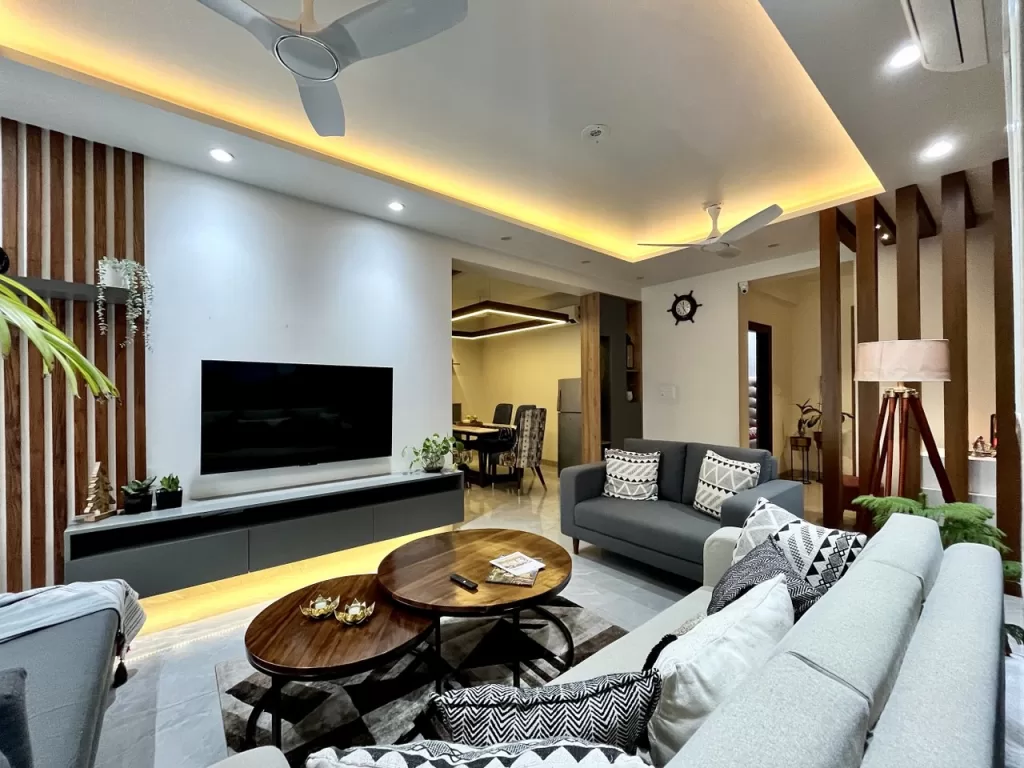
Eco-friendly and Functional Choices
The growth of sustainability consciousness has led to a major shift in interior decorating techniques, highlighting eco-friendliness alongside utility. Designers are progressively opting for materials that are sustainable, recycled, or ethically sourced, ensuring that the spaces they create have a low environmental impact. For instance, choosing furniture made from repurposed wood not only adds charm to a room but also lessens waste and promotes a sustainable economy. Additionally, many designers are utilizing eco-friendly textiles, such as bio-based cotton or linen, which carry a reduced ecological footprint than traditional materials.
Functional design goes together with sustainability by emphasizing effectiveness in both dimensions and resources. Creative storage solutions, such as built-in shelving and cleverly designed furniture, make compact spaces more usable without compromising aesthetic appeal. Multi-functional pieces, like convertible sofas or expandable dining tables, allow homeowners to maximize their living areas while maintaining a tidy and elegant environment. This approach not only boosts usability but also contributes to a more responsible lifestyle, as it encourages minimalism and reduces the need for surplus items.
The integration of biophilic design principles also plays a crucial role in marrying sustainability with functionality. By adding elements of nature indoors through plants, natural materials, and ample natural light, designers can create healthier living environments that improve well-being. Furthermore, the thoughtful use of windows and skylights can enhance energy efficiency, allowing spaces to utilize daylight effectively, which in turn minimizes reliance on man-made light sources. Ultimately, accepting sustainable and functional choices in interior design not only leads to more beautiful spaces but also fosters a more profound connection to the environment and promotes a wholesome lifestyle.