The Personal Area: Personalizing Your Home using Interior Design


Your home is not simply merely a place to live; it's an reflection of the personality and lifestyle. hop over to this web-site plays a crucial role in shaping spaces that not only look beautiful but likewise feel comfortable and inviting. By tailoring your environment, you can change your home into a sanctuary that meets the needs and resonates with your emotional well-being. If you are looking to create cozy spaces for relaxation or craft a multi-functional living area, the possibilities are limitless.
As we explore into the world of interior design, we'll explore various aspects that can beautify your home. From understanding color psychology and the importance of natural light to adopting modern trends and sustainable choices, we'll cover everything you need to create an intimate space that feels uniquely yours. Let's begin on this journey to unveil how thoughtful design can elevate your living experience and bring joy to your everyday life.
Inviting Spaces: Crafting for Comfort
Designing a cozy space is important for encouraging tranquility and comfort in your home. Cohesion can be obtained through thoughtful decor choices such as soft textiles, warm colors, and cozy furniture layouts. Opt for plush sofas and armchairs that encourage lounging, and dress your room with plush throws and pillows. Incorporating gentle rugs can also bring warmth to chilly floors and a touch of comfort beneath your feet.
Illumination plays a key part in creating the vibe of a inviting setting. Opt for ambient lighting and contemplate adding different light sources to create an appealing ambiance. Table lamps, floor lamps, and even candles can provide subtle light that makes the space feel more intimate. Dimming options or adjustable lighting can further enhance the comfort, allowing you to adjust the atmosphere to your liking.
Finally, personal touches and natural elements are essential to transforming a place feel like home. Displaying cherished items, such as family photographs or unique decor pieces, contributes personality and warmth. Integrating plants into your design not only brings a sense of nature indoors but also enhances air quality and boosts your well-being. By combining comfort with personal expression, you can craft a welcoming retreat that fosters relaxation and belonging.
Enhancing Utility in Compact Spaces
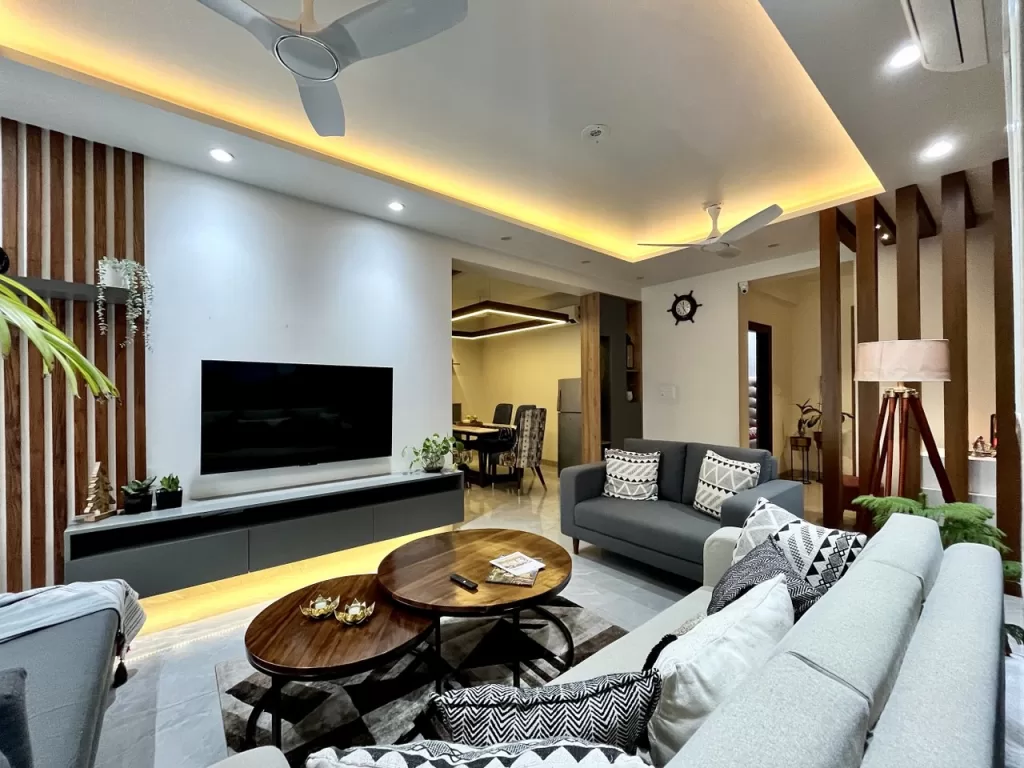
Small spaces often pose unique challenges when it comes to utility and style. One successful approach is to select furniture that serves multiple purposes. For illustration, a futon can change a living room into a guest room, while an ottoman with storage can double as both a seat and a place to store blankets or magazines. Using foldable tables and chairs can provide flexibility in dining areas, allowing for additional space when not in use. This kind of thoughtful furniture selection helps to keep the area neat and ensures that every item contributes value to the space.
Another important aspect of small space design is the use of smart storage methods. Vertical shelving, such as shelves that extend to the ceiling, can help optimize wall space while leaving floor areas clear. Incorporating under-bed storage or adding built-in cabinetry can significantly diminish clutter. Open shelving not only offers practical storage but can also exhibit decorative items, adding character without overwhelming the space. Configurations that include baskets or boxes can achieve an organized look while maintaining easy access to items.
Finally, the layout of a small space plays a essential role in its functionality. It’s necessary to establish a flow that facilitates easy movement and access. This means arranging furniture thoughtfully to encourage interaction while maintaining pathways clear. Zoning areas within an open-concept space can also help define different functions, such as a reading nook or a workspace. Using mirrors can amplify the feeling of openness, making the area feel more expansive and more inviting. By focusing on these elements, you can establish a chic and functional environment, even in the most limited settings.
Sustainable and Eco-Friendly Choices
Sustainable interior design focuses on designing spaces that are not just look aesthetically pleasing but also reduce environmental footprint. A great method to achieve this is by choosing sustainable resources. Reclaimed wood, recycled metal, and bamboo are fantastic options that bring character to your home and lessening waste. Additionally, look for https://doc.adminforge.de/s/I2Stge-aIS that have low or no VOC (volatile organic compounds) emissions to guarantee that your indoor air quality remains healthy.
Incorporating biophilic design concepts can enhance both sustainability and well-being in your home. By including natural elements such as indoor plants, water features, and plenty of natural light, you design areas that link to the outdoors. This not only improves air quality but also promotes a sense of calm and productivity. Strategically positioning windows to optimize natural light can reduce the need for artificial lighting, thus reducing energy consumption.
In conclusion, adopting sustainable practices in your interior design also applies to furniture choices. Opt for pieces that are made from sustainable materials and morally produced. Consider second-hand or vintage furniture to give new life to timeless designs while minimizing environmental impact. Investing in quality items that are designed to last can significantly reduce waste and contribute to a more sustainable lifestyle in the long run.